
CLINIC TIMING 5:30 PM to 7:30 PM | 9:00 AM to 5:00 PM available in Paras Hospital Panchkula
CLINIC TIMING 5:30 PM to 7:30 PM | 9:00 AM to 5:00 PM available in Paras Hospital Panchkula
Dialysis is a life-saving treatment for people whose kidneys are no longer able to perform their essential functions. When the kidneys fail to filter waste, excess fluids, and toxins from the blood, dialysis steps in to do this vital work. Understanding how dialysis works and what patients can expect can reduce anxiety and help individuals and families feel more prepared.
Dialysis is a medical procedure that removes waste products, excess water, and harmful substances from the blood when the kidneys are unable to do so. It also helps maintain the correct balance of electrolytes such as sodium and potassium. Dialysis is usually recommended in advanced stages of chronic kidney disease (CKD) or kidney failure.
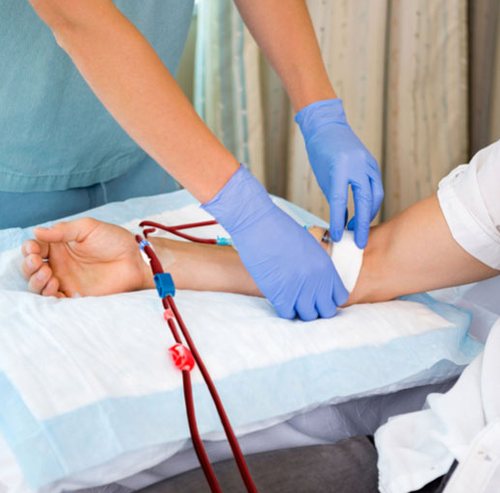
There are two main types of dialysis, and the choice depends on a patient’s medical condition, lifestyle, and doctor’s advice.
Hemodialysis is the most commonly used form of dialysis. During this procedure, blood is removed from the body through a vascular access (usually in the arm), passed through a dialysis machine where it is cleaned, and then returned to the body.
Hemodialysis is typically done at a dialysis center three times a week, with each session lasting about four hours. Some patients may also be eligible for home hemodialysis.
Peritoneal dialysis uses the lining of the abdomen (peritoneum) as a natural filter. A cleansing fluid is introduced into the abdominal cavity through a catheter, absorbs waste products, and is then drained out.
This type of dialysis can be performed at home and offers more flexibility, making it suitable for patients who prefer independence and an active lifestyle.
Starting dialysis can feel overwhelming, but knowing what to expect helps ease the transition.
Dialysis staff closely monitor patients to ensure safety and comfort during each session.
Dialysis patients often need to follow specific dietary and fluid restrictions. This may include limiting salt, potassium, phosphorus, and fluid intake. A kidney-friendly diet helps reduce complications and improves treatment effectiveness.
Medications may also be prescribed to control blood pressure, manage anemia, and maintain mineral balance.
Living with dialysis can be emotionally challenging. It is normal to feel anxious, frustrated, or overwhelmed. Support from healthcare providers, family, counseling services, and patient support groups can make a significant difference in coping and maintaining a positive outlook.
Many people on dialysis continue to work, travel, and enjoy daily activities. With proper medical care, lifestyle adjustments, and adherence to treatment, patients can maintain a good quality of life while on dialysis.
Dialysis is a critical treatment that replaces essential kidney functions when the kidneys fail. Understanding how it works and what to expect empowers patients to approach dialysis with confidence. With the right support, medical care, and lifestyle management, dialysis can help patients live longer, healthier, and more fulfilling lives.
My experience with Dr. Shivam Gaba and the entire team at Paras Hospital was outstanding. Dr. Gaba's surgical expertise is unquestionable, and the care I received was top-notch. The staff was professional, attentive, and supportive, and the facility was clean and comfortable...

I highly recommend Dr. Shivam Gaba to anyone in need of a skilled and compassionate cancer surgeon. They are a true asset to their profession, and I am eternally grateful for their care...
Dr. Gaba is a great surgeon. They really know their stuff and explained everything clearly. Surgery went well, and I'm doing great!..
Dr. Shilpa Bansal takes a proactive approach to diabetes care. She is very thorough in her examinations and always anticipates potential issues. Her dedication to preventive care has made a significant difference in my health. I highly recommend her...
Dr. Shilpa Bansal is very accessible and has excellent communication skills. She promptly answers my questions and is always available when I need her. Her responsiveness and clear communication have made my diabetes care seamless. I highly recommend her...
Dealing with high creatinine levels was quite stressful for me, but meeting Dr. Shilpa Bansal was a turning point. Her expertise was evident from the start, and she explained my condition and the treatment options so well. I felt very confident in her care. And the best...
Heal U Clinic, 13, FF, B Block, VIP Road, Zirakpur (SBI Bank landmark)
7986090627
shivamgaba41@gmail.com
shilpabansal2909@gmail.com
© 2025. All Rights Reserved | Designed by AMS Informatics