
CLINIC TIMING 5:30 PM to 7:30 PM | 9:00 AM to 5:00 PM available in Paras Hospital Panchkula
CLINIC TIMING 5:30 PM to 7:30 PM | 9:00 AM to 5:00 PM available in Paras Hospital Panchkula
Proteinuria—commonly known as the presence of excess protein in the urine—is often one of the earliest and most important warning signs of kidney disease. While a small amount of protein in urine can be normal, persistent or high levels may signal underlying kidney damage that needs timely evaluation and treatment. Unfortunately, many people ignore this condition because it does not usually cause noticeable symptoms in the early stages. Understanding what proteinuria means and why it should never be overlooked can help protect long-term kidney health.
Healthy kidneys act as natural filters, preventing essential proteins such as albumin from leaking into the urine.
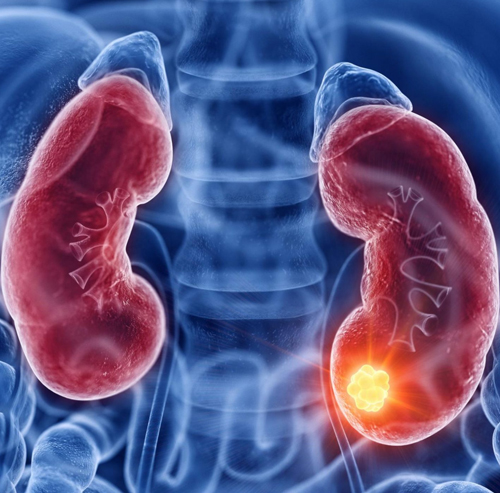
When the kidneys’ filtering units—called glomeruli—become damaged or stressed, they may fail to retain these proteins, allowing them to pass into the urine. This leakage can result from various causes, including diabetes, high blood pressure, kidney infections, autoimmune disorders, or even temporary conditions like dehydration or intense exercise. However, persistent proteinuria is often associated with chronic kidney disease (CKD) and must be investigated.
In most cases, proteinuria is silent. Many patients discover it only during routine urine tests. However, when protein levels are significantly elevated, certain signs may appear, such as foamy or frothy urine, swelling in the legs, ankles, or around the eyes (edema), fatigue, and reduced urine output. These symptoms reflect the body’s reaction to protein loss and fluid imbalance—key indicators that kidney function may be compromised.
A simple urine test (urinalysis) is often the first step in detecting proteinuria. If protein is present consistently, further tests such as a urine albumin-to-creatinine ratio (UACR) or 24-hour urine protein measurement may be ordered. Additional evaluations—including blood tests, imaging, or even a kidney biopsy—help determine the underlying cause and extent of kidney involvement.
The treatment of proteinuria focuses on addressing its root cause. Controlling blood sugar in diabetes, managing hypertension, treating infections, or adjusting medications can help reduce protein loss. Kidney-protective medications, especially ACE inhibitors or ARBs, are often prescribed to minimize further kidney damage. Lifestyle changes—such as reducing salt intake, maintaining a healthy weight, avoiding smoking, and staying hydrated—also play a crucial role.
Proteinuria is one of the clearest early indicators of kidney disease. Detecting it early can prevent progression to advanced chronic kidney disease or kidney failure. Regular check-ups, especially for individuals with diabetes, hypertension, or a family history of kidney disorders, are essential for long-term kidney protection.
Proteinuria may seem harmless, but it is a vital signal your kidneys send when something is wrong. Paying attention to it today can safeguard your kidney health for the future.
My experience with Dr. Shivam Gaba and the entire team at Paras Hospital was outstanding. Dr. Gaba's surgical expertise is unquestionable, and the care I received was top-notch. The staff was professional, attentive, and supportive, and the facility was clean and comfortable...

I highly recommend Dr. Shivam Gaba to anyone in need of a skilled and compassionate cancer surgeon. They are a true asset to their profession, and I am eternally grateful for their care...
Dr. Gaba is a great surgeon. They really know their stuff and explained everything clearly. Surgery went well, and I'm doing great!..
Dr. Shilpa Bansal takes a proactive approach to diabetes care. She is very thorough in her examinations and always anticipates potential issues. Her dedication to preventive care has made a significant difference in my health. I highly recommend her...
Dr. Shilpa Bansal is very accessible and has excellent communication skills. She promptly answers my questions and is always available when I need her. Her responsiveness and clear communication have made my diabetes care seamless. I highly recommend her...
Dealing with high creatinine levels was quite stressful for me, but meeting Dr. Shilpa Bansal was a turning point. Her expertise was evident from the start, and she explained my condition and the treatment options so well. I felt very confident in her care. And the best...
Heal U Clinic, 13, FF, B Block, VIP Road, Zirakpur (SBI Bank landmark)
7986090627
shivamgaba41@gmail.com
shilpabansal2909@gmail.com
© 2025. All Rights Reserved | Designed by AMS Informatics