
CLINIC TIMING 5:30 PM to 7:30 PM | 9:00 AM to 5:00 PM available in Paras Hospital Panchkula
CLINIC TIMING 5:30 PM to 7:30 PM | 9:00 AM to 5:00 PM available in Paras Hospital Panchkula
Electrolytes are essential minerals in the body that carry an electric charge. They play a key role in maintaining fluid balance, nerve function, muscle movement, and heart rhythm. The kidneys are responsible for regulating electrolyte levels, and when kidney function is impaired, electrolyte imbalances can occur—sometimes with serious health consequences. Understanding this connection is important for early detection and proper management.
Electrolytes include minerals such as sodium, potassium, calcium, phosphorus, magnesium, and chloride. These substances help control hydration, regulate blood pressure, support muscle contraction, and ensure proper nerve signaling. Even slight imbalances can affect how the body functions.
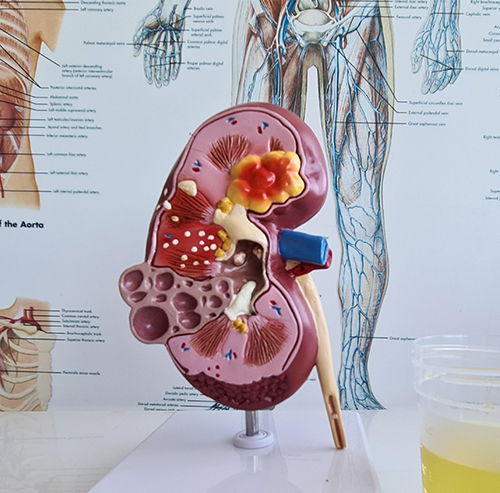
Healthy kidneys filter excess electrolytes from the blood and excrete them through urine while retaining the right amounts needed by the body. They also adjust electrolyte levels based on fluid intake, diet, hormones, and overall health. When kidneys are damaged, this delicate balance can be disrupted, leading to either high or low electrolyte levels.
Sodium helps regulate fluid balance and blood pressure. Kidney disease can cause sodium levels to become too high or too low, leading to swelling, high blood pressure, confusion, or headaches.
Potassium is critical for proper muscle and heart function. When kidneys cannot remove excess potassium, levels may rise dangerously—a condition known as hyperkalemia. High potassium can cause muscle weakness, abnormal heart rhythms, or even cardiac arrest.
The kidneys help regulate calcium and phosphorus levels and activate vitamin D. Kidney disease can disrupt this balance, leading to weak bones, joint pain, itching, and increased risk of fractures.
Abnormal magnesium levels can affect muscle and nerve function, causing cramps, irregular heartbeat, or fatigue.
Symptoms vary depending on which electrolyte is affected but may include:
In some cases, imbalances may not cause noticeable symptoms until they become severe.
Electrolyte imbalances are more common in people who:
Regular monitoring is especially important for these individuals.
Electrolyte imbalances are diagnosed through simple blood tests. Treatment focuses on correcting the imbalance and addressing the underlying kidney issue. This may involve dietary changes, medication adjustments, fluid management, or dialysis in severe cases.
Patients with kidney disease often need personalized dietary plans to control electrolyte intake and prevent complications.
Electrolyte balance and kidney function are closely connected. When kidneys are healthy, they maintain the precise levels needed for the body to function properly. Kidney disease disrupts this balance, increasing the risk of serious complications. Regular check-ups, early detection, and proper medical care are essential to maintaining electrolyte balance and protecting overall health.
My experience with Dr. Shivam Gaba and the entire team at Paras Hospital was outstanding. Dr. Gaba's surgical expertise is unquestionable, and the care I received was top-notch. The staff was professional, attentive, and supportive, and the facility was clean and comfortable...

I highly recommend Dr. Shivam Gaba to anyone in need of a skilled and compassionate cancer surgeon. They are a true asset to their profession, and I am eternally grateful for their care...
Dr. Gaba is a great surgeon. They really know their stuff and explained everything clearly. Surgery went well, and I'm doing great!..
Dr. Shilpa Bansal takes a proactive approach to diabetes care. She is very thorough in her examinations and always anticipates potential issues. Her dedication to preventive care has made a significant difference in my health. I highly recommend her...
Dr. Shilpa Bansal is very accessible and has excellent communication skills. She promptly answers my questions and is always available when I need her. Her responsiveness and clear communication have made my diabetes care seamless. I highly recommend her...
Dealing with high creatinine levels was quite stressful for me, but meeting Dr. Shilpa Bansal was a turning point. Her expertise was evident from the start, and she explained my condition and the treatment options so well. I felt very confident in her care. And the best...
Heal U Clinic, 13, FF, B Block, VIP Road, Zirakpur (SBI Bank landmark)
7986090627
shivamgaba41@gmail.com
shilpabansal2909@gmail.com
© 2025. All Rights Reserved | Designed by AMS Informatics