
CLINIC TIMING 5:30 PM to 7:30 PM | 9:00 AM to 5:00 PM available in Paras Hospital Panchkula
CLINIC TIMING 5:30 PM to 7:30 PM | 9:00 AM to 5:00 PM available in Paras Hospital Panchkula
Polycystic Kidney Disease (PKD) is one of the most common inherited kidney disorders, affecting millions worldwide. It causes multiple fluid-filled cysts to develop within the kidneys, gradually enlarging them and impairing their function over time. Because PKD is genetic and often progresses silently, understanding its risks, symptoms, and management strategies is crucial for protecting kidney health and planning long-term care.
PKD is primarily caused by mutations in specific genes and is usually passed from parent to child.
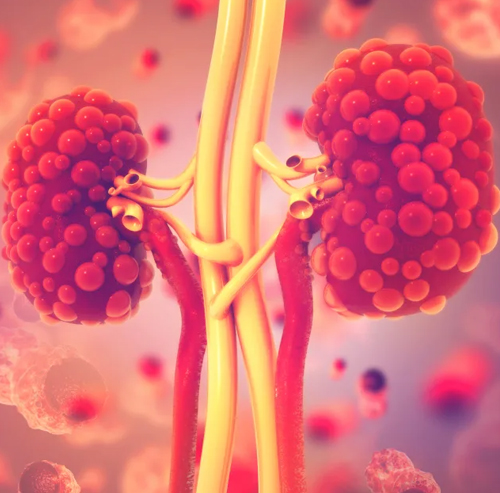
The most common form, Autosomal Dominant Polycystic Kidney Disease (ADPKD), requires only one affected parent to transmit the condition, giving each child a 50% chance of inheriting it. Autosomal Recessive PKD (ARPKD), although rare, occurs when both parents carry the defective gene. Because PKD can remain unnoticed for years, many individuals learn about their condition only after symptoms appear or when family history is reviewed.
Symptoms of PKD typically begin in adulthood but may appear earlier in aggressive cases. Common signs include flank or back pain, frequent urinary tract infections, blood in urine, high blood pressure, and abdominal fullness due to enlarged kidneys. High blood pressure is often the earliest and most persistent symptom, playing a major role in disease progression. Early diagnosis—through family screening, ultrasound, or genetic testing—can help start treatment before significant kidney damage occurs.
While PKD cannot be cured, its progression can be effectively slowed with proper medical management. Controlling blood pressure is the most critical step, as hypertension accelerates cyst growth and kidney damage. Doctors often prescribe ACE inhibitors or ARBs for kidney protection. In select patients, medications like tolvaptan may help reduce cyst growth.
PKD patients must also be monitored for complications such as kidney stones, liver cysts, aneurysms, and infections. Regular lab tests, imaging scans, and ongoing consultations with a kidney specialist ensure timely intervention and improved quality of life.
A kidney-friendly lifestyle plays a major role in managing PKD. Drinking adequate water, reducing salt intake, maintaining a healthy weight, and following a balanced diet lower stress on the kidneys. Avoiding smoking, limiting caffeine, practicing regular exercise, and managing stress further help slow disease progression. Patients should also avoid over-the-counter painkillers like NSAIDs, which can worsen kidney function.
Polycystic Kidney Disease may be genetic, but with early detection, proper medical care, and a mindful lifestyle, individuals can successfully manage the condition and protect their kidney health for years to come.
My experience with Dr. Shivam Gaba and the entire team at Paras Hospital was outstanding. Dr. Gaba's surgical expertise is unquestionable, and the care I received was top-notch. The staff was professional, attentive, and supportive, and the facility was clean and comfortable...

I highly recommend Dr. Shivam Gaba to anyone in need of a skilled and compassionate cancer surgeon. They are a true asset to their profession, and I am eternally grateful for their care...
Dr. Gaba is a great surgeon. They really know their stuff and explained everything clearly. Surgery went well, and I'm doing great!..
Dr. Shilpa Bansal takes a proactive approach to diabetes care. She is very thorough in her examinations and always anticipates potential issues. Her dedication to preventive care has made a significant difference in my health. I highly recommend her...
Dr. Shilpa Bansal is very accessible and has excellent communication skills. She promptly answers my questions and is always available when I need her. Her responsiveness and clear communication have made my diabetes care seamless. I highly recommend her...
Dealing with high creatinine levels was quite stressful for me, but meeting Dr. Shilpa Bansal was a turning point. Her expertise was evident from the start, and she explained my condition and the treatment options so well. I felt very confident in her care. And the best...
Heal U Clinic, 13, FF, B Block, VIP Road, Zirakpur (SBI Bank landmark)
7986090627
shivamgaba41@gmail.com
shilpabansal2909@gmail.com
© 2025. All Rights Reserved | Designed by AMS Informatics