
CLINIC TIMING 5:30 PM to 7:30 PM | 9:00 AM to 5:00 PM available in Paras Hospital Panchkula
CLINIC TIMING 5:30 PM to 7:30 PM | 9:00 AM to 5:00 PM available in Paras Hospital Panchkula
Dialysis is a life-saving treatment for individuals whose kidneys can no longer filter waste and excess fluids effectively. While the idea of dialysis can feel overwhelming at first, understanding the different types of treatment helps patients and families make informed decisions. Modern dialysis therapies are safe, effective, and tailored to individual medical needs. This guide breaks down the three most commonly used dialysis methods—Hemodialysis, Peritoneal Dialysis, and Continuous Renal Replacement Therapy (CRRT)—to help you understand what each entails.
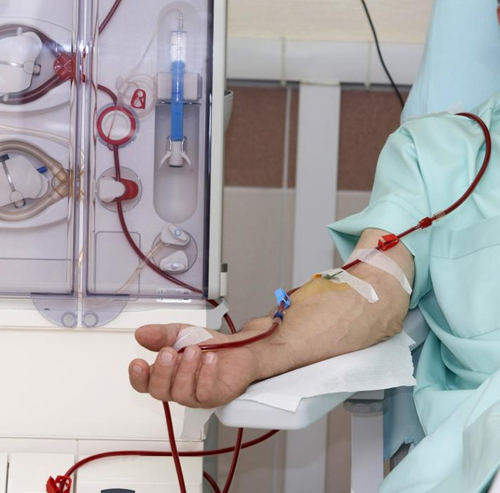
Hemodialysis (HD) involves using a machine and a special filter called a dialyzer to clean the blood. During the procedure, blood is taken out of the body, filtered, and then returned. This process removes toxins, extra salts, and excess fluid.
Patients may experience improved energy, reduced swelling, and better overall health once the treatment stabilizes. However, sticking to fluid and dietary restrictions remains important.
Peritoneal Dialysis (PD) uses the body’s own peritoneal membrane inside the abdomen as a natural filter. A sterile fluid called dialysate is infused into the abdominal cavity through a catheter. Waste products pass from the blood into this fluid, which is then drained and replaced.
PD allows greater mobility, fewer clinic visits, and a lifestyle-friendly routine, making it ideal for active patients. However, maintaining hygiene is crucial to prevent infections like peritonitis.
Continuous Renal Replacement Therapy (CRRT) is used mainly in intensive care units for patients who are critically ill, unstable, or suffering from severe acute kidney injury (AKI). Unlike traditional dialysis, CRRT runs 24 hours a day, removing waste and fluid slowly and gently, which is safer for unstable patients.
From routine hemodialysis to the flexibility of peritoneal dialysis and the advanced support of CRRT, today’s dialysis therapies are highly effective and customizable. Understanding each method empowers patients to choose the right option for their lifestyle and medical condition. With proper medical guidance, dialysis can help individuals live healthier, longer, and more fulfilling lives.
My experience with Dr. Shivam Gaba and the entire team at Paras Hospital was outstanding. Dr. Gaba's surgical expertise is unquestionable, and the care I received was top-notch. The staff was professional, attentive, and supportive, and the facility was clean and comfortable...

I highly recommend Dr. Shivam Gaba to anyone in need of a skilled and compassionate cancer surgeon. They are a true asset to their profession, and I am eternally grateful for their care...
Dr. Gaba is a great surgeon. They really know their stuff and explained everything clearly. Surgery went well, and I'm doing great!..
Dr. Shilpa Bansal takes a proactive approach to diabetes care. She is very thorough in her examinations and always anticipates potential issues. Her dedication to preventive care has made a significant difference in my health. I highly recommend her...
Dr. Shilpa Bansal is very accessible and has excellent communication skills. She promptly answers my questions and is always available when I need her. Her responsiveness and clear communication have made my diabetes care seamless. I highly recommend her...
Dealing with high creatinine levels was quite stressful for me, but meeting Dr. Shilpa Bansal was a turning point. Her expertise was evident from the start, and she explained my condition and the treatment options so well. I felt very confident in her care. And the best...
Heal U Clinic, 13, FF, B Block, VIP Road, Zirakpur (SBI Bank landmark)
7986090627
shivamgaba41@gmail.com
shilpabansal2909@gmail.com
© 2025. All Rights Reserved | Designed by AMS Informatics